



If you are looking for sound-dampening panels, you probably have one of two problems: the room echoes, or you can hear the neighbours through the wall. These are two completely different problems and their solutions cannot replace each other. An acoustic panel removes echo inside the room, but it will not stop noise from the neighbours. Here we explain simply the difference between sound dampening, sound insulation and echo removal, and how to choose the right solution.
In short
- Echo removal: sound is absorbed by soft material inside the room. Acoustic panels, rugs and curtains help.
- Sound insulation: sound cannot pass through the wall, ceiling or floor into another room. Mass, airtightness and a separate structure help.
- Sound dampening: an everyday word used for either one. When a shop sells a sound-dampening panel, it is almost always a sound-absorbing, or acoustic, panel.
Miks toas kajab?
A room echoes when sound bounces back from hard surfaces several times before it fades. Today's homes have plenty of such surfaces: concrete and plasterboard walls, large windows, laminate or tiled floors and minimalist interiors without rugs or curtains. New or empty flats and rooms with high ceilings echo the most.
At home it is usually not a real echo like in the mountains but reverberation: the sound lingers in the room. It is measured as reverberation time, the time it takes for sound to fade by 60 decibels. The longer the reverberation time, the harder it is to understand speech and the more tiring it is to be in the room. Between two parallel hard walls you may also get flutter echo. Clap your hands in the middle of the room: if the sound seems to bounce back and forth, that is flutter echo.
Echo removal: sound absorption
To reduce echo, part of the sound in the room has to be absorbed. A soft, porous material such as felt, mineral wool or thick textile turns sound energy into heat and does not let it bounce back. This is called sound absorption.
Sound absorption is expressed by the coefficient α (alpha) from 0 to 1: 0 means the surface reflects all sound and 1 means it absorbs all sound. Two common figures are used to compare panels:
- NRC: keskmine helineelduvus sagedustel 250–2000 Hz;
- sound absorption class A–E according to EN ISO 11654. A is the best class (αw 0,90–1,00).
Measurements are made in a reverberation chamber according to EN ISO 354. The Helix MDF Premium slat panel has been measured in an independent laboratory: at speech frequencies it absorbs up to 90% of sound. At low frequencies (bass) a thin panel mounted directly on the wall absorbs less. An air gap or mineral wool behind the panel helps there.
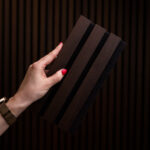
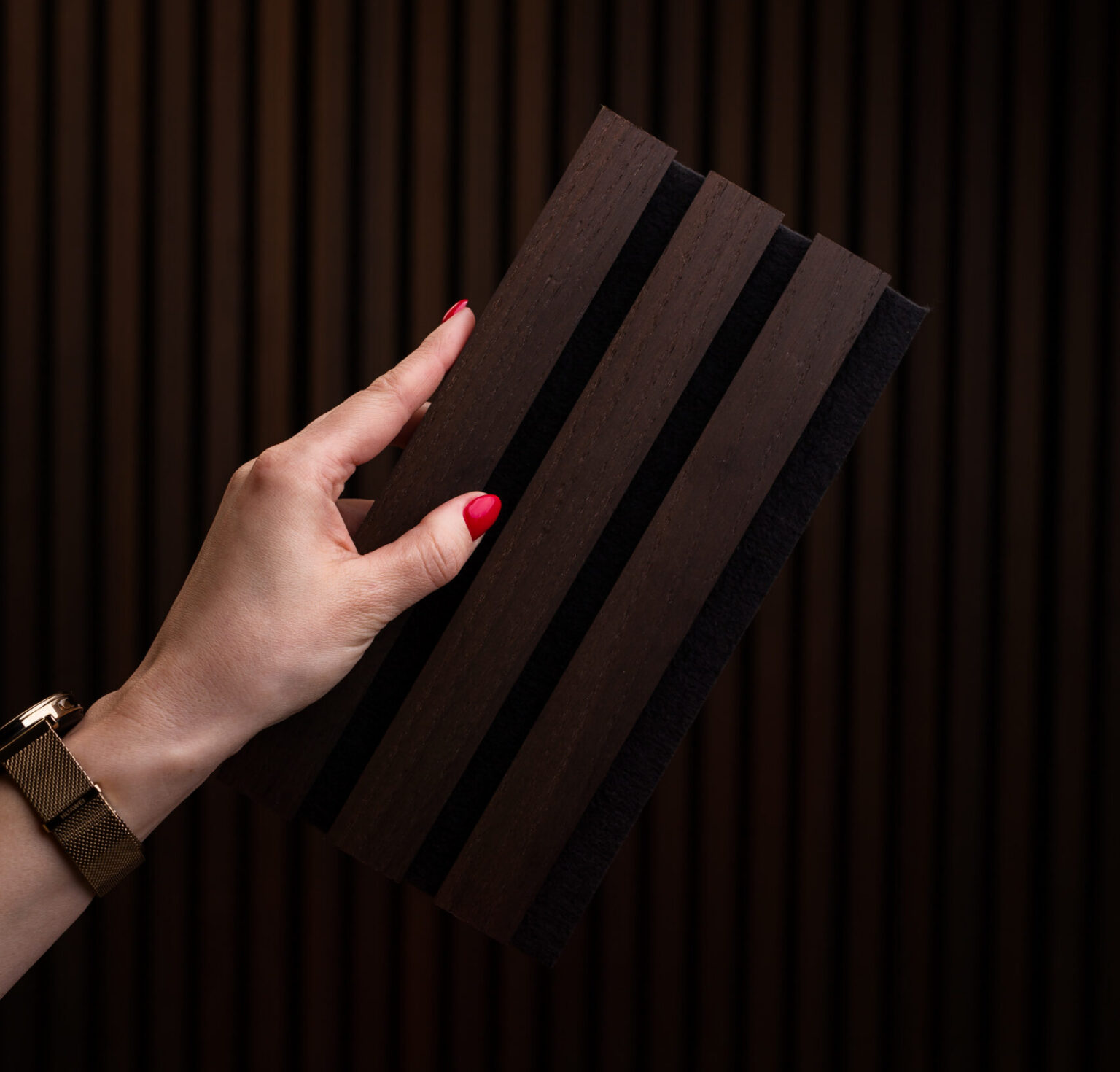
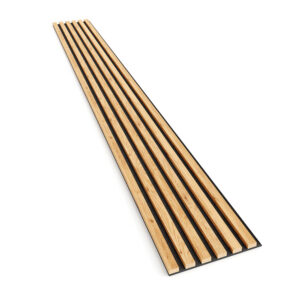
In an acoustic slat panel two layers do the work: the slats diffuse sound and give the wall its look, and the felt behind them absorbs sound.
How many panels do you need?
Reverberation time can be estimated with Sabine's formula T = 0,161 × V / A. V is the room volume in cubic metres and A is the total sound absorption of the room in square metres.
Example: a 4 × 5 m living room has a 2,6 m high ceiling, so its volume is 52 m³. If the room has hard surfaces and few textiles and its total absorption is about 6 m², the reverberation time is roughly 1,4 seconds. If you add 6 m² of panels to the wall that absorb on average 0,8 of the sound at speech frequencies, absorption grows by about 5 m² and the reverberation time drops to roughly 0,8 seconds. Speech becomes noticeably clearer. Furniture, rugs and panel placement also affect the result, so this is an estimate, not a promise.
Sound insulation: when the noise comes from another room
Sound insulation means that sound cannot pass through the wall, ceiling or floor. Sound waves make the wall vibrate and the wall radiates the sound to the other side. This is prevented by:
- mass: a heavy, dense structure, such as concrete or several layers of plasterboard;
- eraldatus: lisasein omaette karkassil, mis olemasoleva seinaga kokku ei puutu;
- mineraalvill karkassi sees;
- airtightness: every crack, socket and door gap lets sound through.
The sound insulation of a wall is shown by the sound reduction index Rw in decibels. The higher it is, the less you hear through it. A light acoustic panel hardly changes the mass of the wall, so it will not noticeably reduce noise from the neighbours. If the problem is the neighbours, start by sealing cracks and door gaps, and ask a builder or acoustician about an additional wall.
Impact noise, such as footsteps from upstairs, is a separate type. It is mainly reduced in the floor of the upper storey, not in the ceiling of the lower one.
Sound dampening: what does it actually mean?
In Estonian the word for sound dampening is used in both senses. A sound-dampening panel in shops and in search almost always means a sound-absorbing, or acoustic, panel that reduces echo. If a seller promises that a panel glued to the wall dampens noise from the neighbours, ask for the sound insulation result (Rw). The sound absorption figure does not show this.
Comparison: what helps and what doesn't
| Probleem | Mis see on | Mis aitab | Mis ei aita |
|---|---|---|---|
| The room echoes and speech is hard to follow | Reverberation and echo | Acoustic panels, rug, curtains, a full bookshelf | Sealing gaps, a heavier wall |
| Neighbours' talk or music comes through the wall | Airborne noise, needs sound insulation | Lisasein omaette karkassil, mineraalvill, tihendamine | Acoustic panels on the wall |
| Footsteps from upstairs | Impact noise | Floating floor or soft flooring upstairs | Panels on the wall or ceiling downstairs |
| The room echoes and the neighbours can be heard | Both at once | Insulation and panels separately | Only one of them |
Which acoustic panel to choose
Wooden acoustic panels for the home
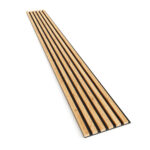
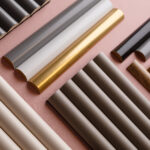
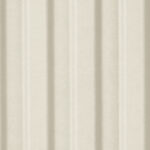
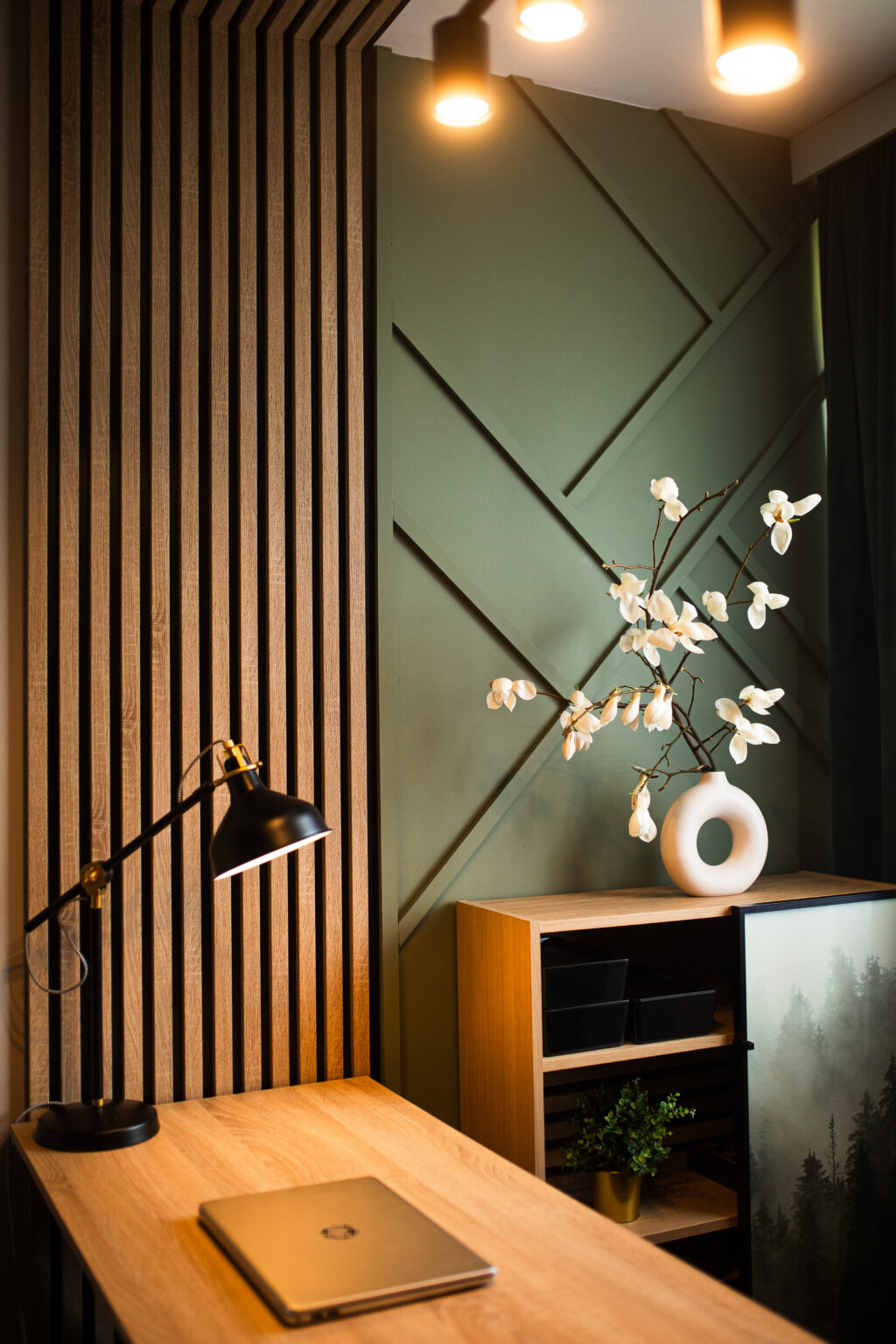
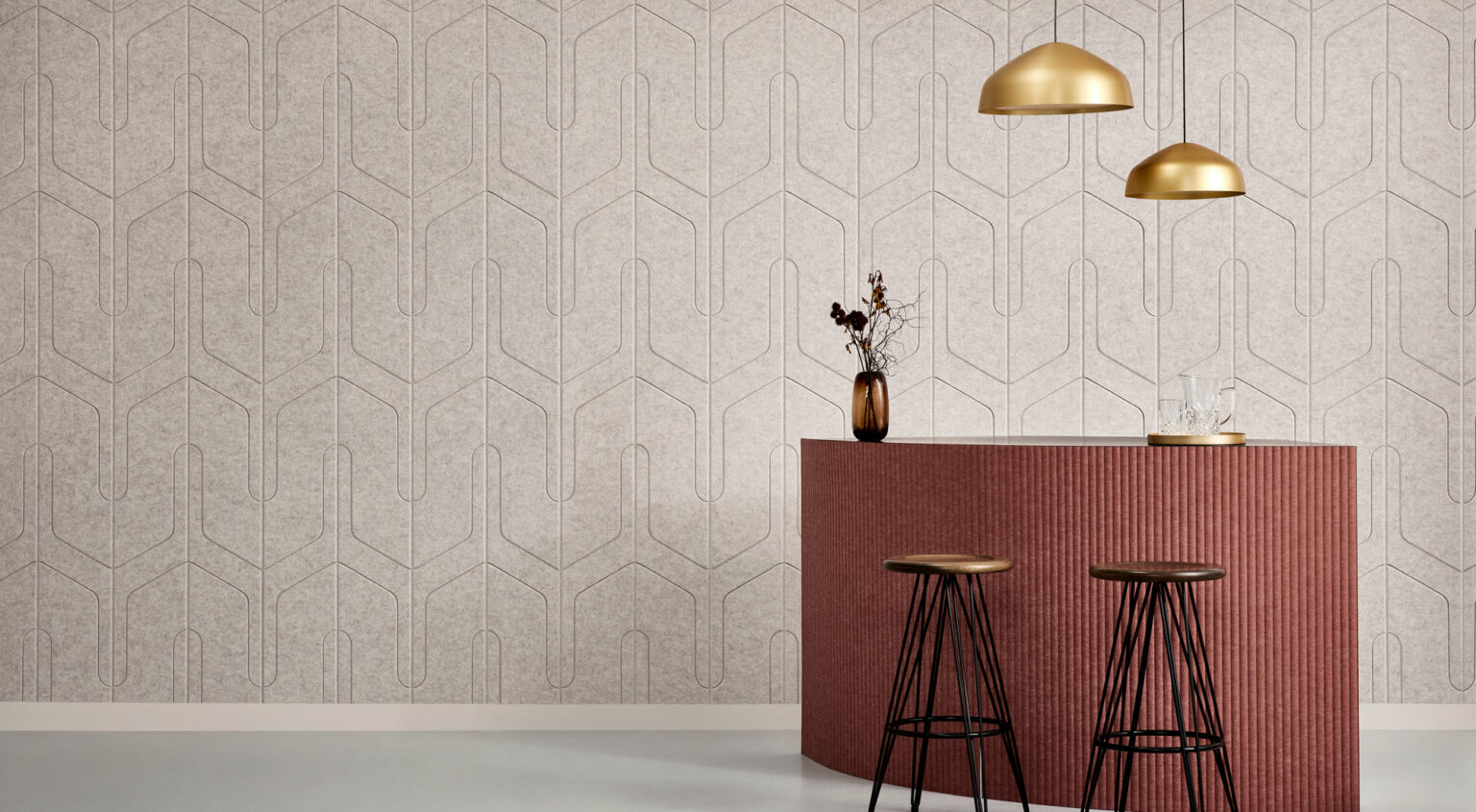
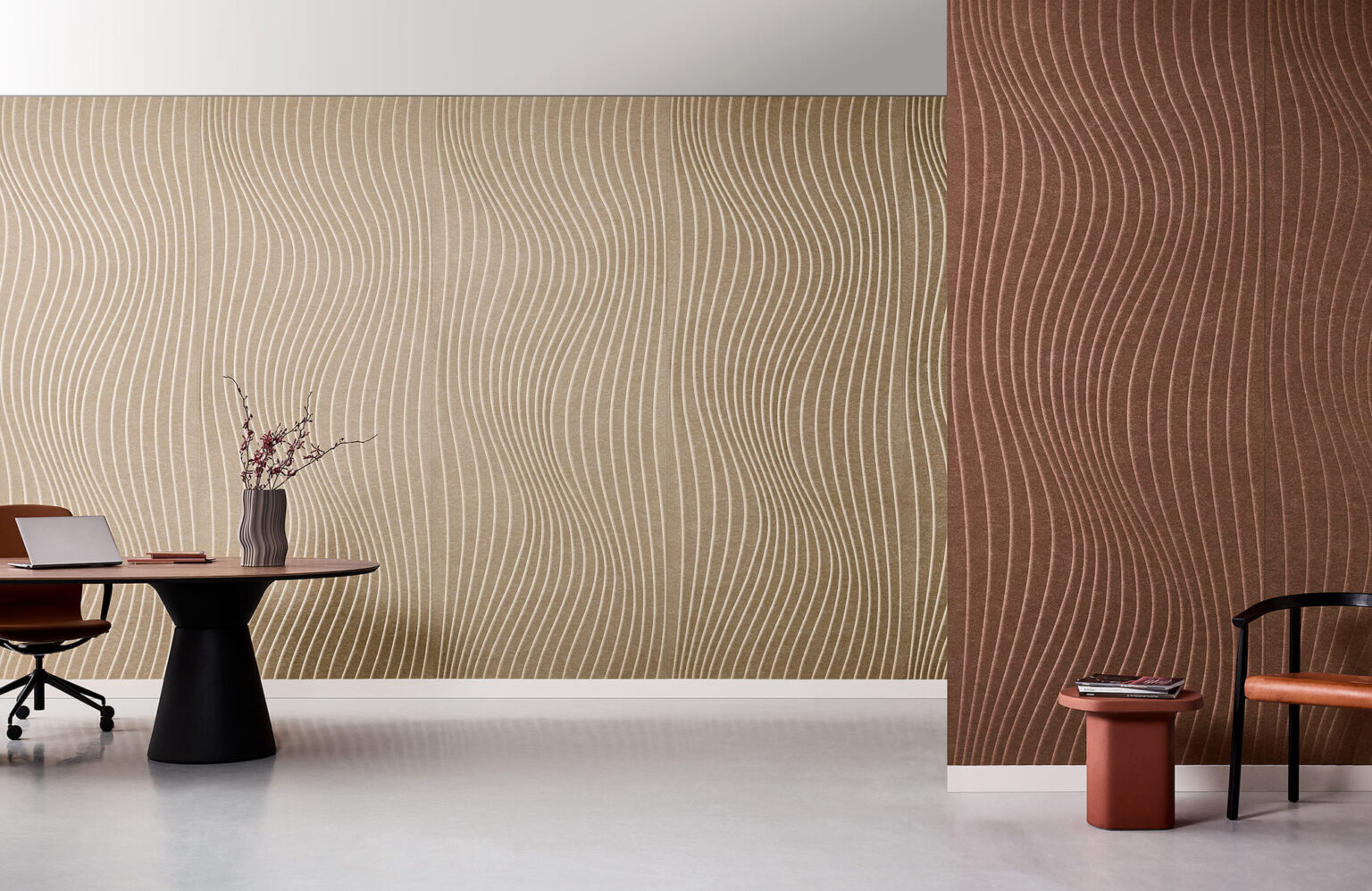
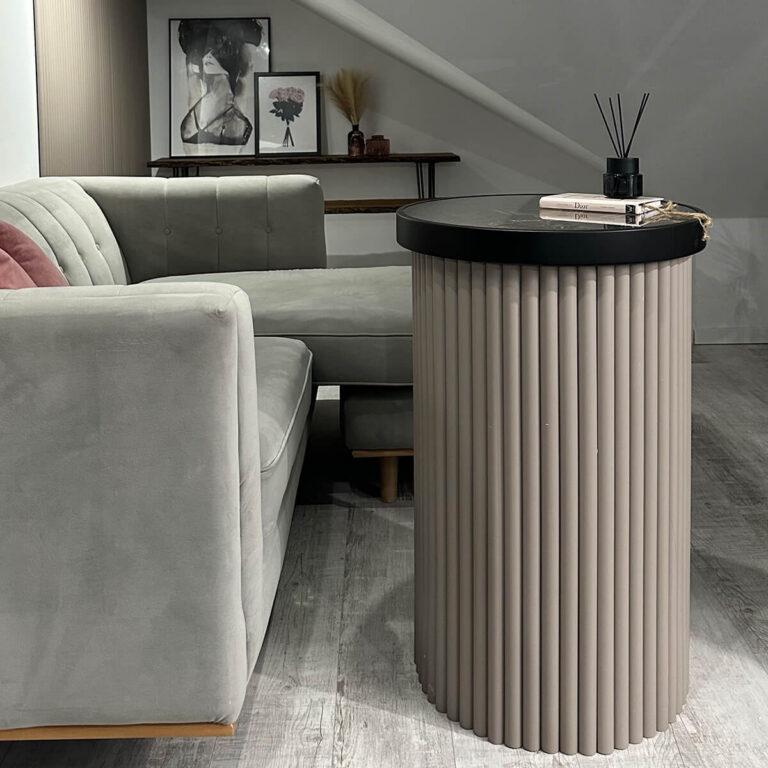
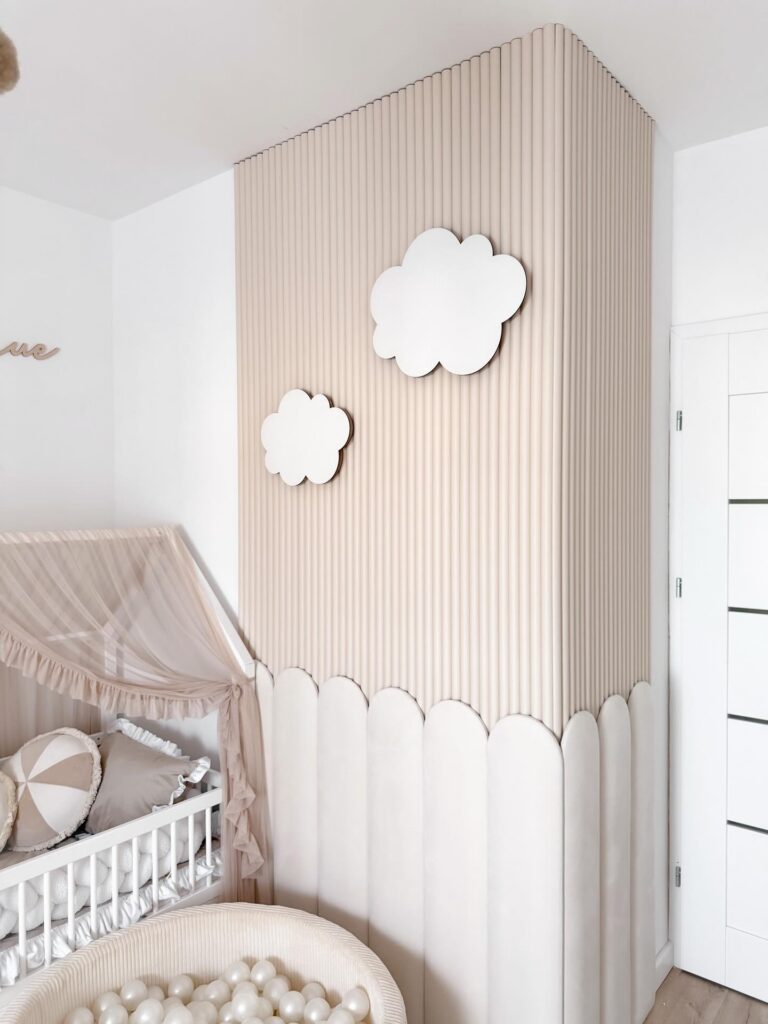
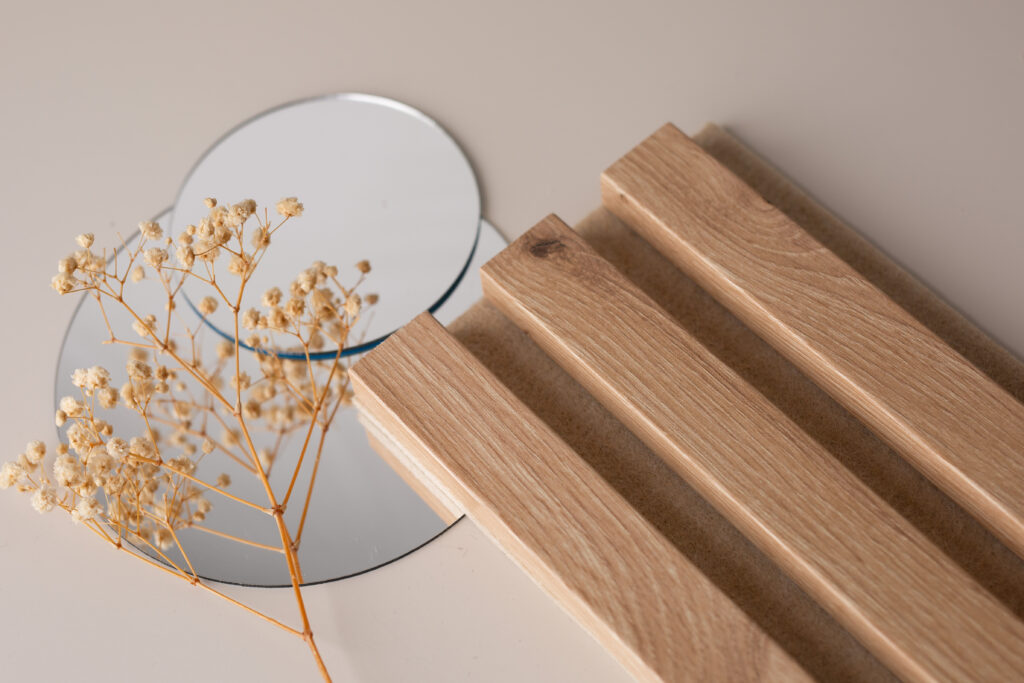
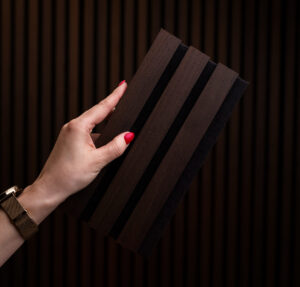
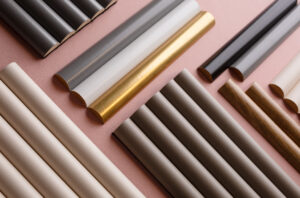
The most popular are slat panels: slats on felt that bring the warmth of wood to the wall and absorb echo. MDF Premium ribipaneeli slats are made of wood-fibre MDF and covered with laminate, available in 14 colours. Puitspooniga ribipaneeli has a surface of real wood. If you are looking for wooden wall panels or a wood veneer wall panel, this is the closest choice. Both are wooden wall panels that also work acoustically. If a wood pattern doesn't suit you, MDF wall panels are also available in black, white and grey.
Decorative wall panels: 3D and fluted panel
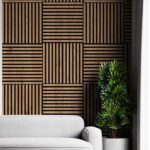
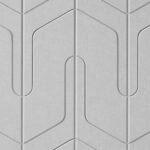
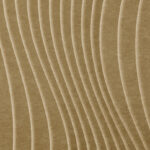
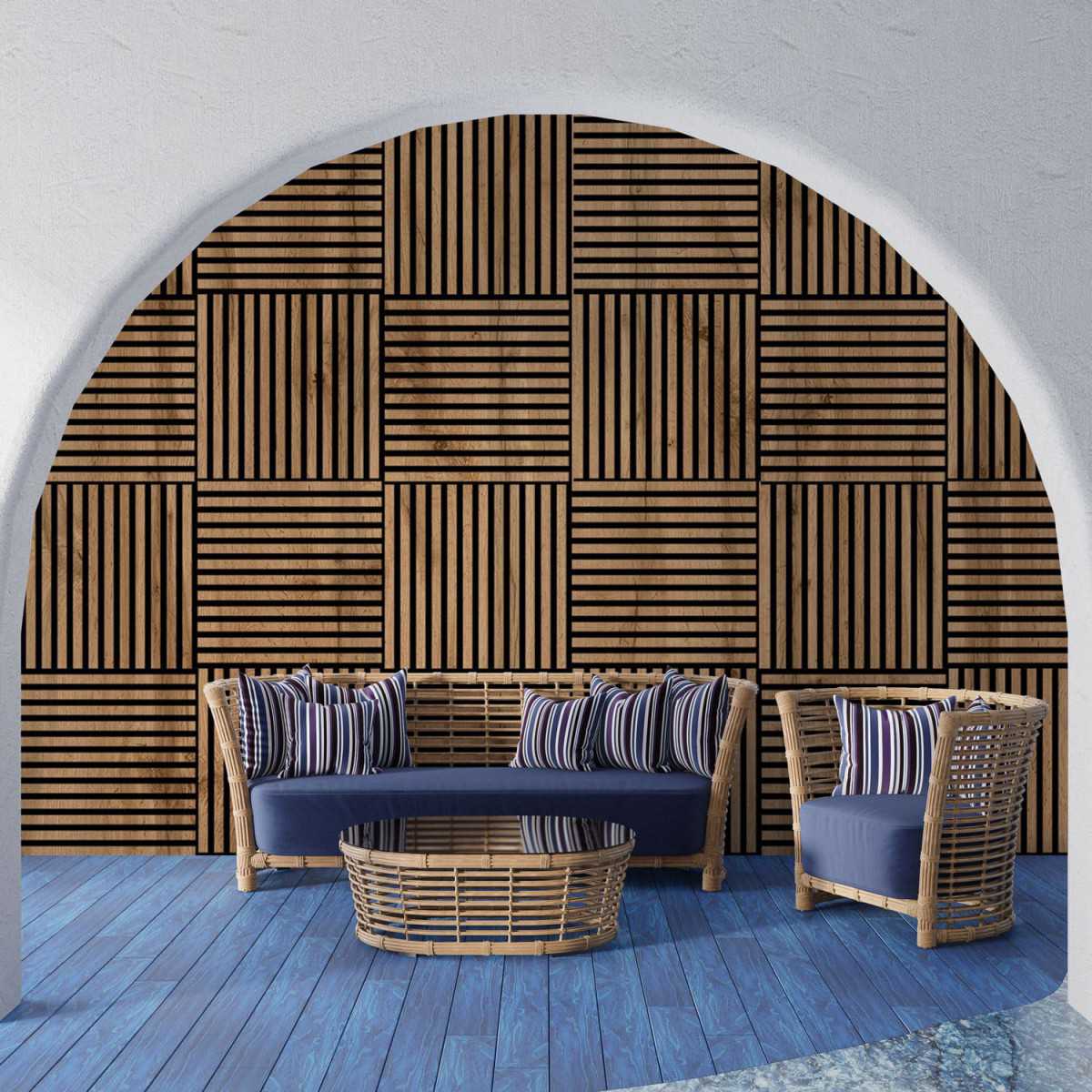
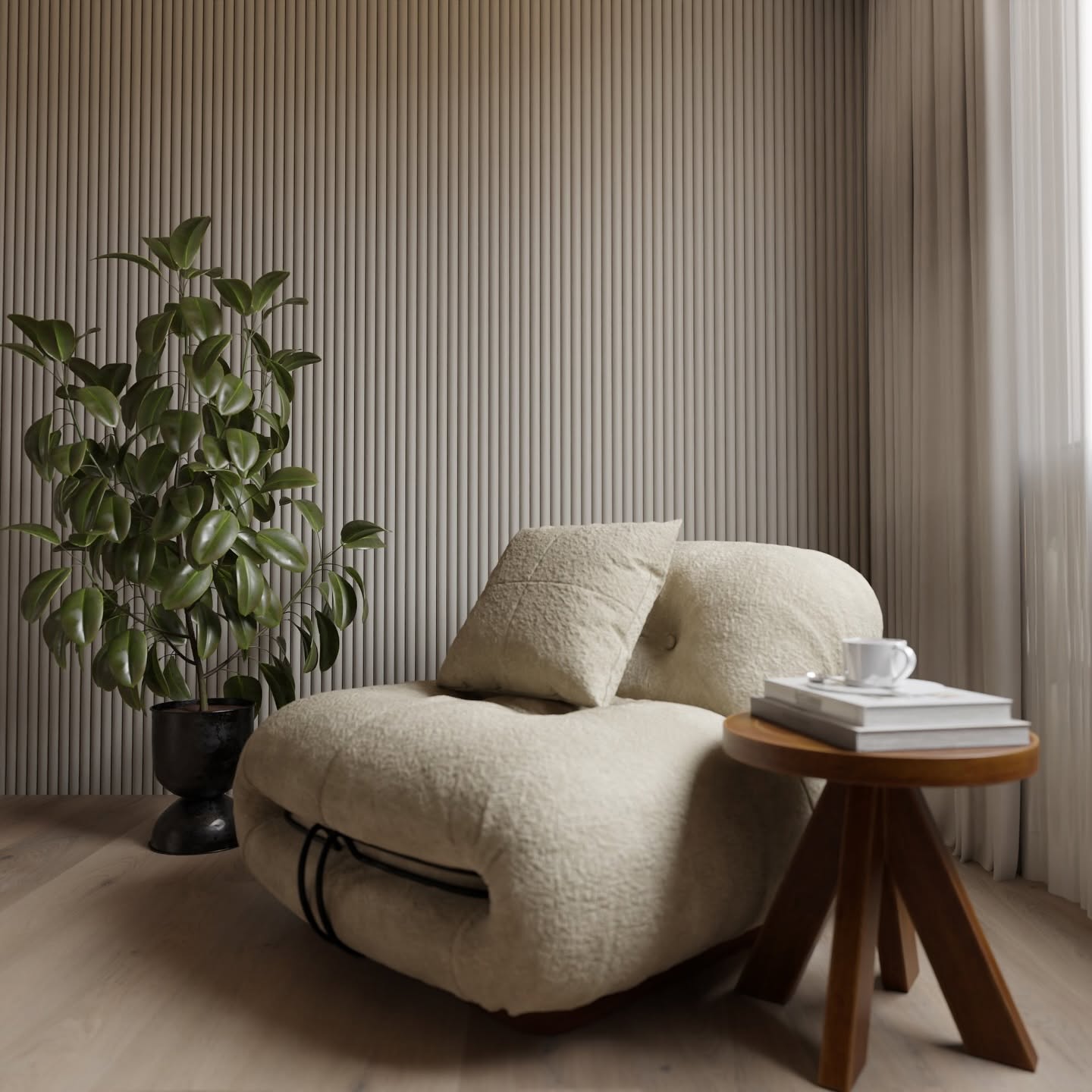
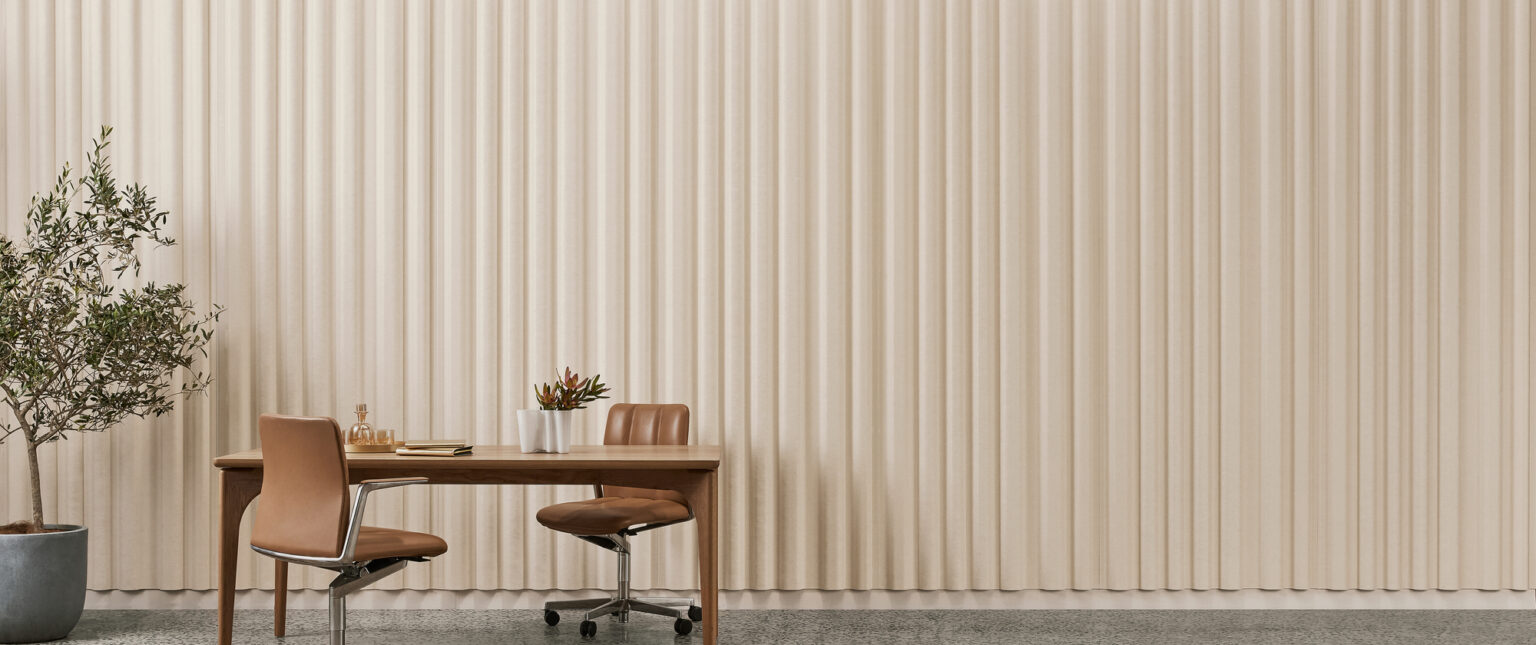
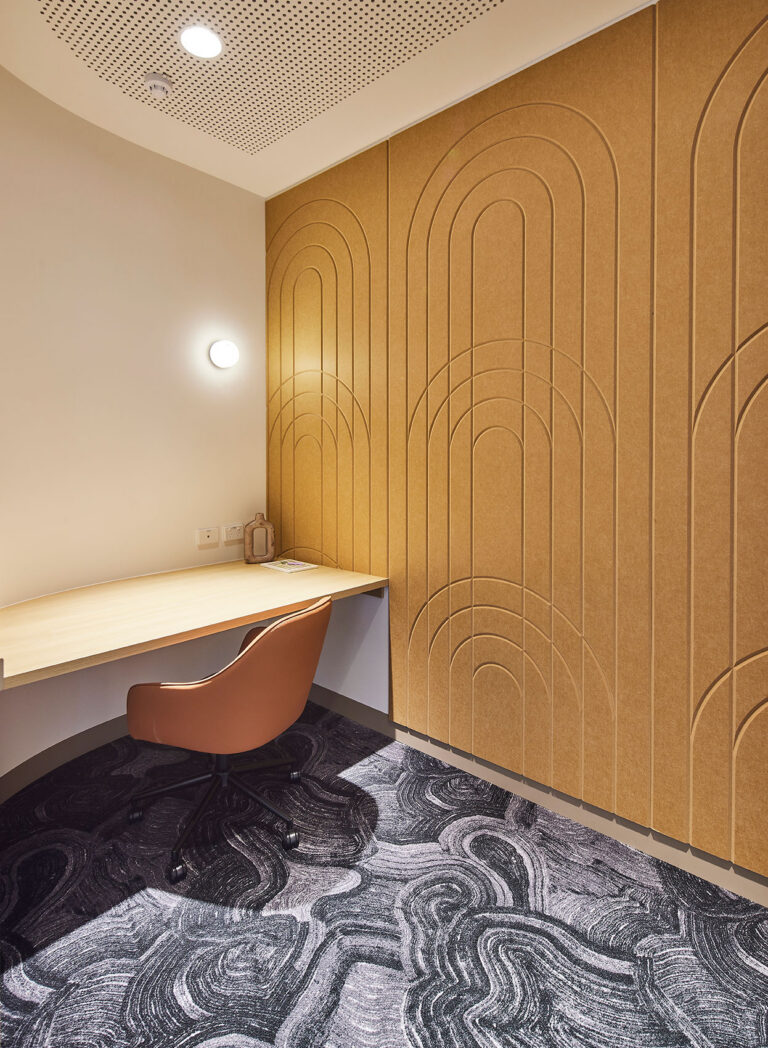
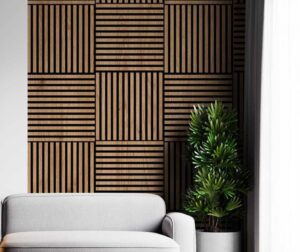
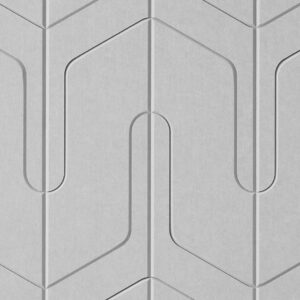
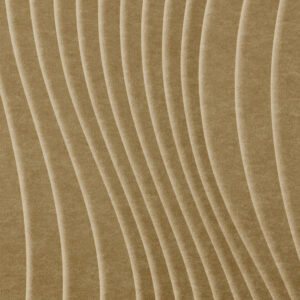
3D acoustic slat panel is 60 × 60 cm, its slats are on 8 mm felt and by rotating the panels you can create a chequered pattern on the wall. Acoustic grooved panel is primarily a decorative wall panel. Its 4 mm felt is completely hidden behind the panel and we have no acoustic measurement for it. If your main goal is reducing echo, choose a slat panel.
Felt wall panels for commercial spaces
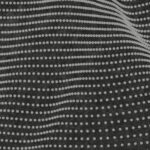
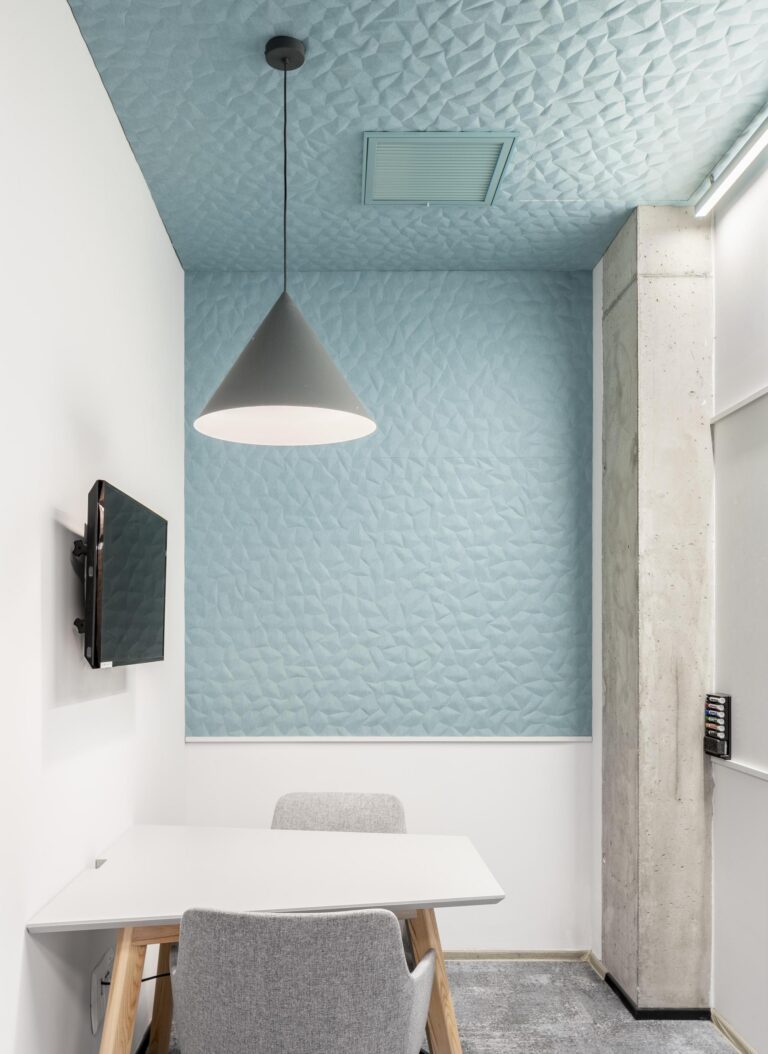
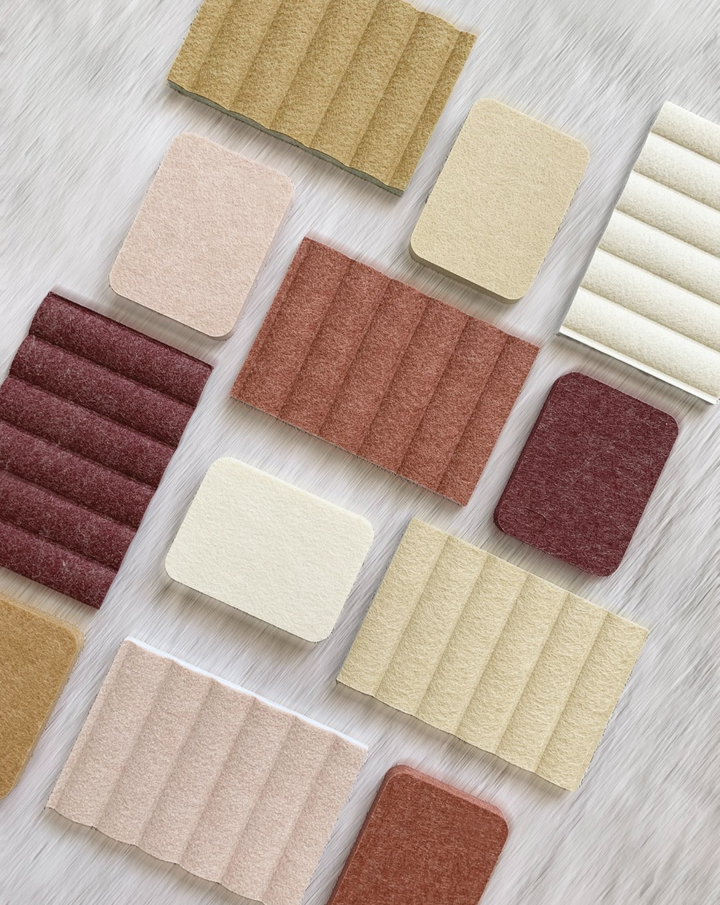
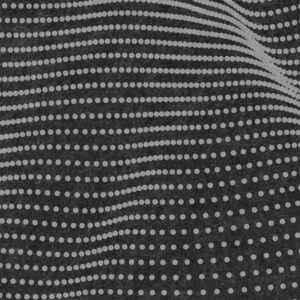
Akustiline viltpaneel ehk PET-seinapaneel on valmistatud PET-kiust, millest suur osa on taaskasutatud plast. Woven Image EchoPanel® 12 mm panel has a sound absorption of NRC 50 with a 0,75 mm air gap, fire class B (EN 13501-1) and contains up to 80% recycled PET. Felt wall panels suit offices, schools and restaurants and can be laser-cut into patterns.
Where to install the panels
- Wall panels for the living room: behind the sofa or on the TV wall. If the living room is open to the kitchen, a long hard wall makes the biggest difference. Of two parallel walls, cover at least one.
- Wall panels for the bedroom: behind the headboard. The wall feels cosier and the room quieter.
- Home office: the wall you face during video calls, or the wall behind you. That is where the microphone picks up echo most.
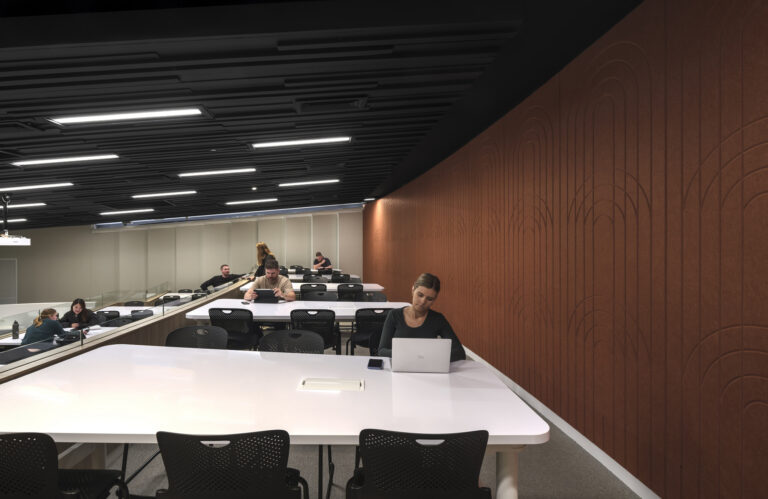
- Office and restaurant: ceiling and walls. In a large room the ceiling is often the largest hard surface.
How to get the panels onto the wall – read the guide installing acoustic panels.
Acoustic panel prices
How much acoustic panels cost depends on the material and size. Below are the starting prices of Helix home panels as of October 2026:
| Panel | Size | Price from | Umbes €/m² |
|---|---|---|---|
| MDF Premium slat panel | 30 × 275 cm (0,825 m²) | 79,90 € | 97 € |
| 3D acoustic slat panel | 60 × 60 cm (0,36 m²) | 40,90 € | 114 € |
| Acoustic grooved panel | 14,5 × 275 cm (≈ 0,4 m²) | 56,90 € | 143 € |
| Puitspooniga ribipaneel | 60 × 60 to 60 × 280 cm | 49,00 € | depends on size |
| Woven Image EchoPanel® | nt 120 × 280 cm | pakkumisega | – |
You'll find the exact price in the tootekataloogist. Delivery across Estonia is free from €299. Since you install the panels yourself, there is usually no labour cost. Helix is an Estonian online shop for acoustic panels and the official Woven Image representative in Estonia.
Frequently asked questions
Do acoustic panels reduce noise from the neighbours?
No. The panels absorb echo inside the room, but noise from the neighbours needs sound insulation.
Do egg cartons or foam boards help?
Egg cartons absorb almost no sound. Acoustic foam absorbs high frequencies, but because of its looks and fire safety it is usually not suitable for the home. A slat panel on felt absorbs speech frequencies and is an interior feature at the same time.
Aren't a rug and curtains enough?
A thick rug and curtains help, especially in a small room. If the walls are large and hard, echo still remains between them. That is where acoustic panels on the wall help most.
Does an acoustic panel also work on the ceiling?
Yes. The ceiling is often the largest hard surface in the room. When installing on the ceiling, fix the panels with screws as well as adhesive.
Try before you buy
Order up to 5 free colour samples, you only pay for shipping. See the colours in your room and feel free to ask for advice: we'll help you choose a panel and calculate the quantity from your wall measurements.